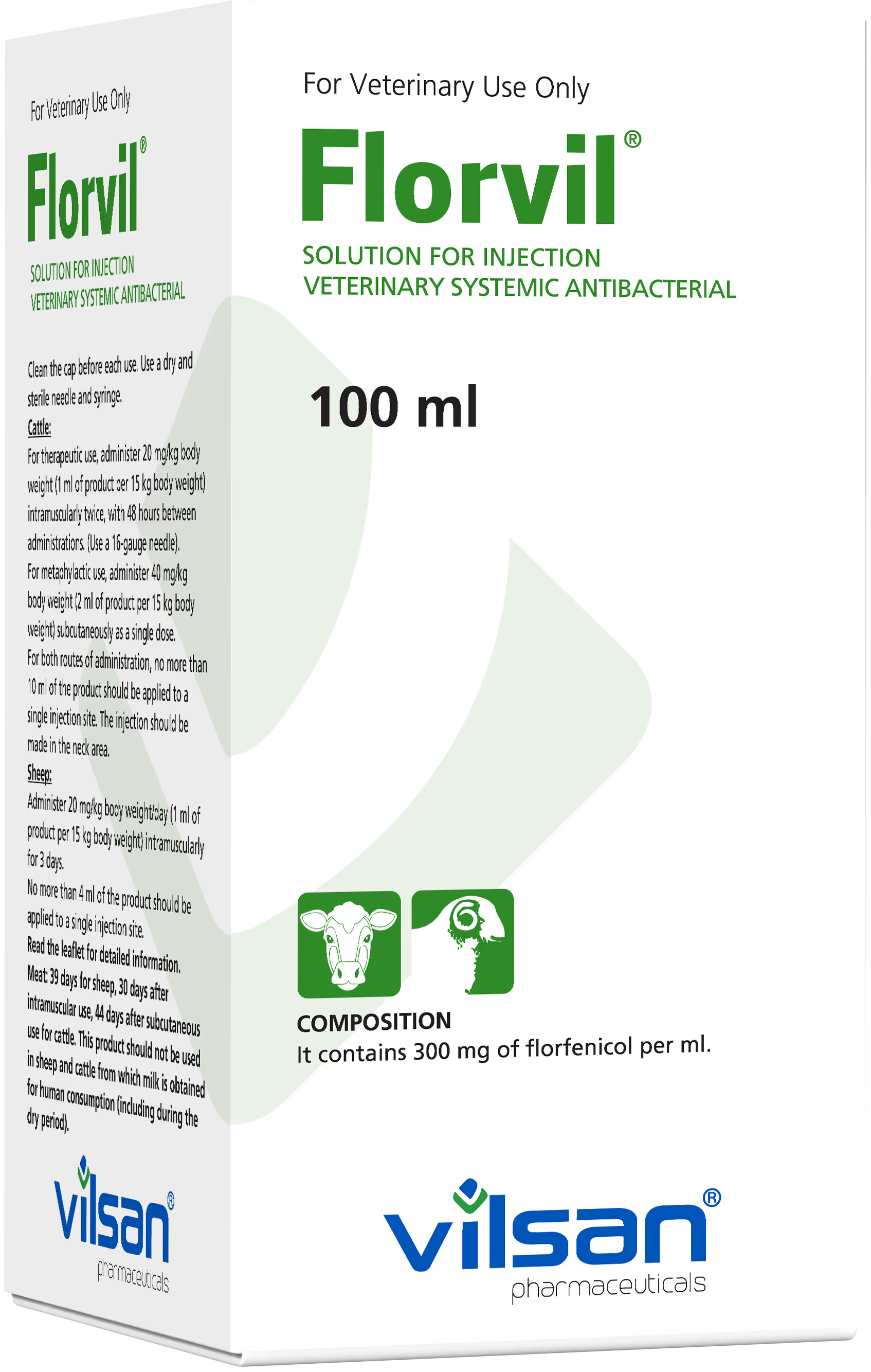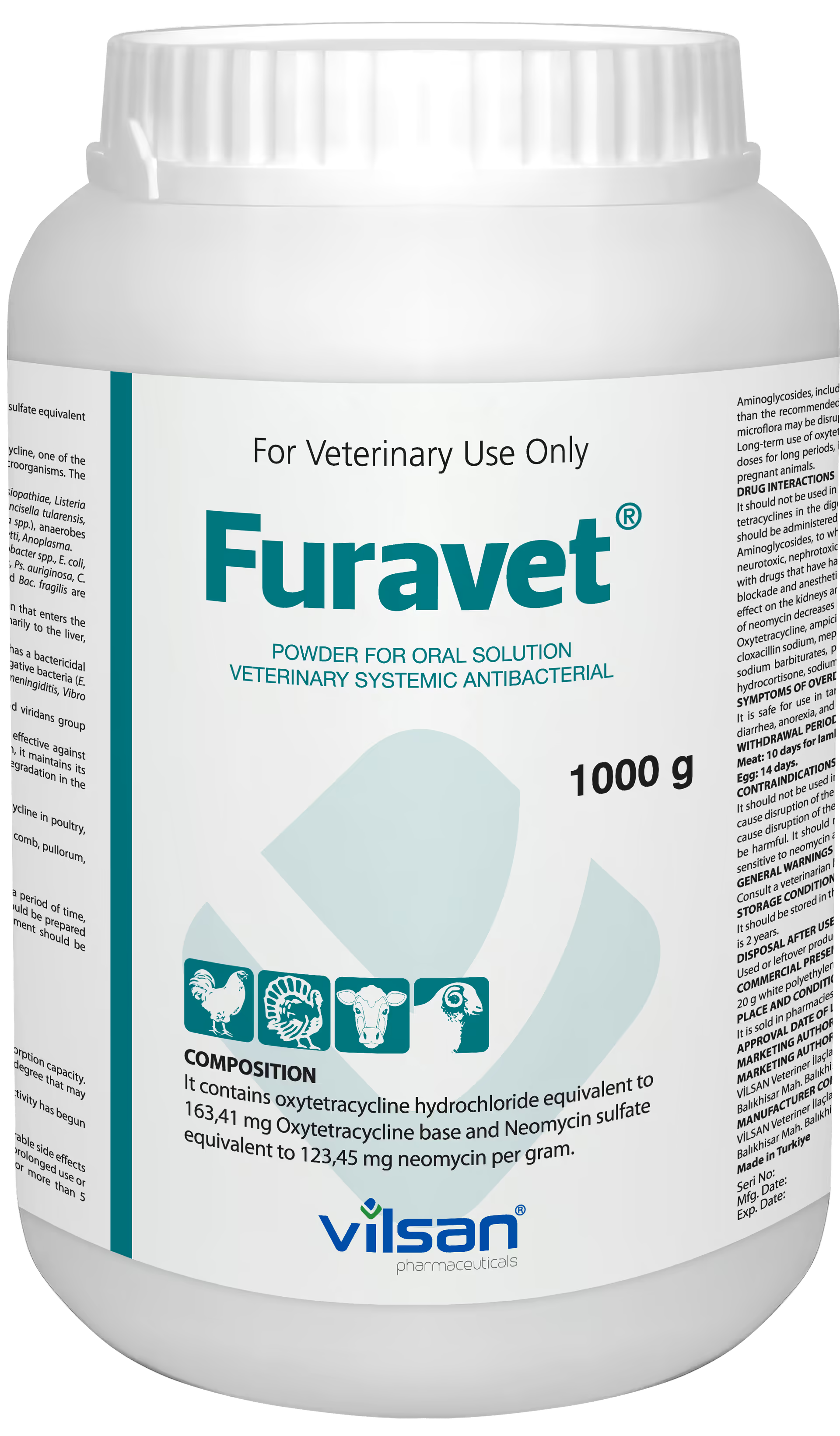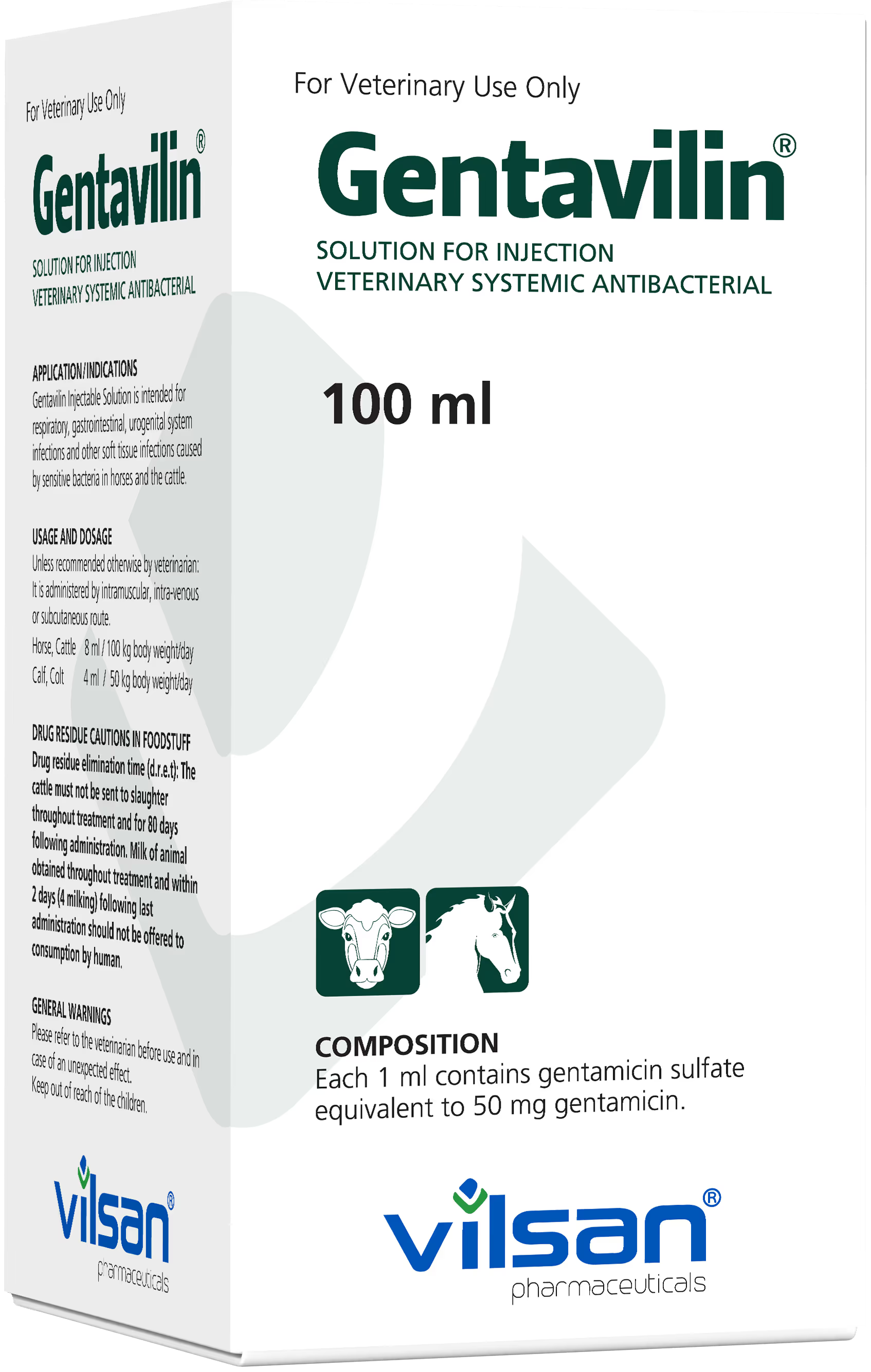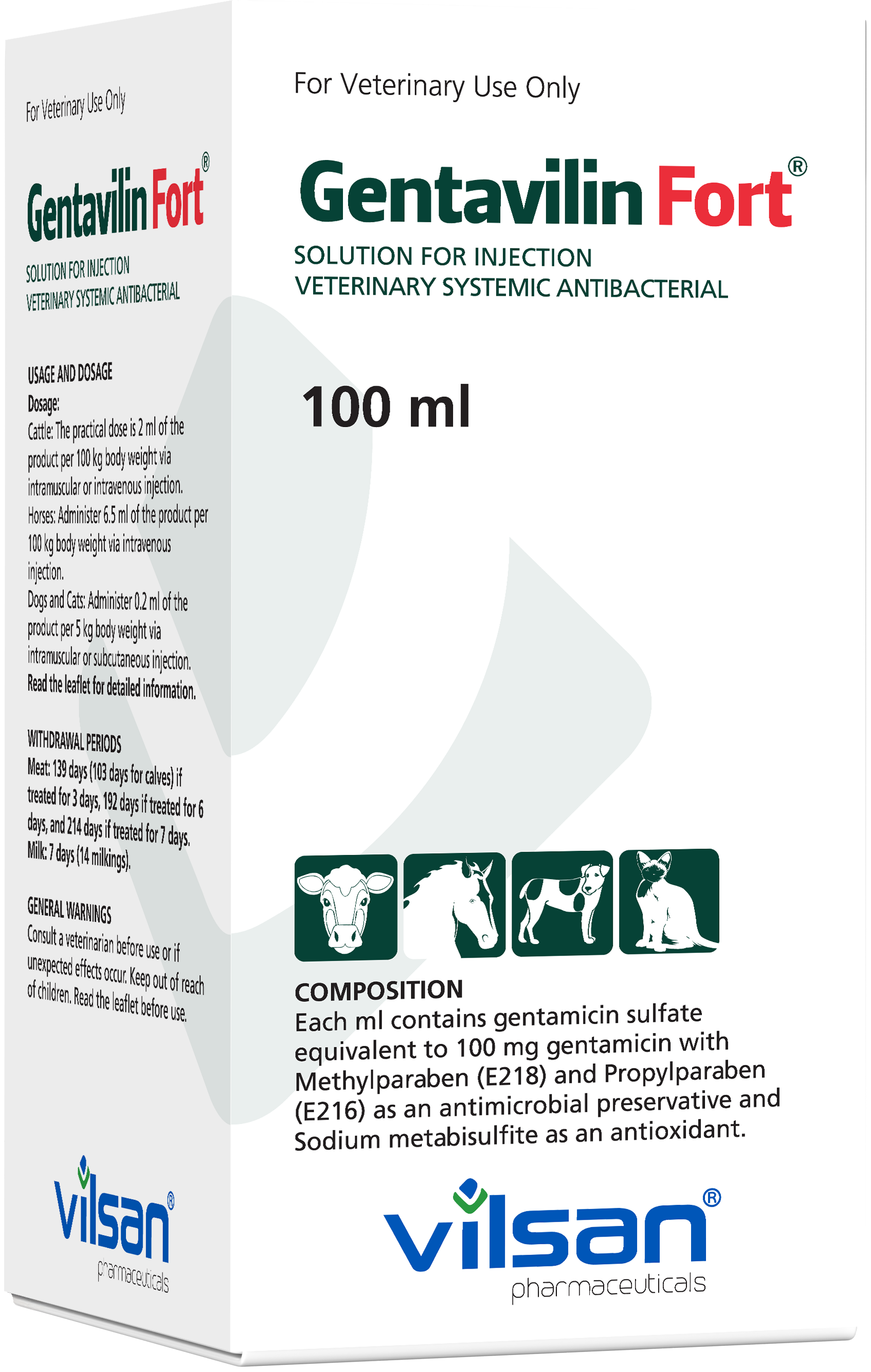
| - | - | - |
|---|---|---|
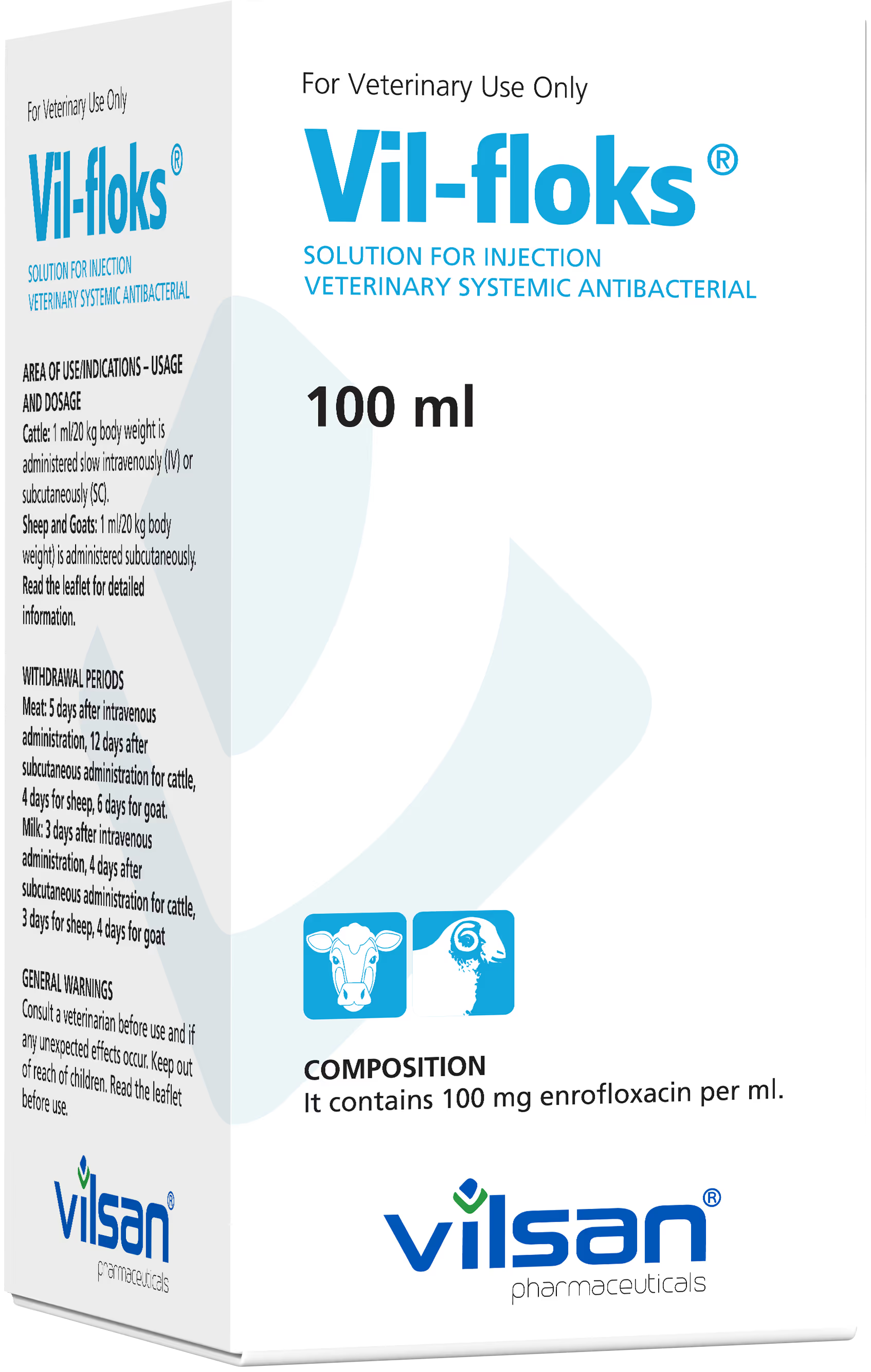
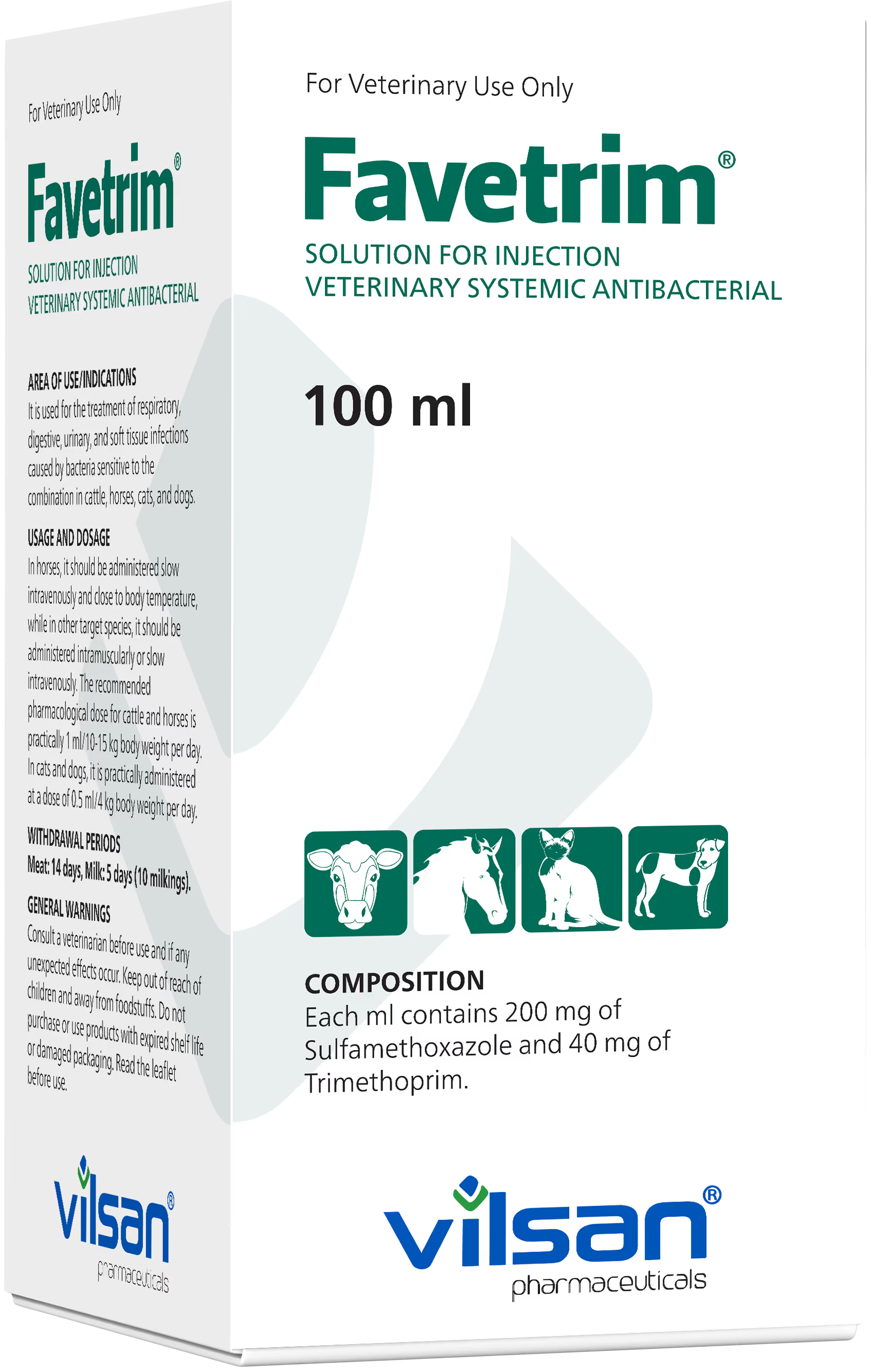
| Product Group | : | Antibacterials |
| Pharmaceutical Form | : | Solution for Injection |
| Active Ingredient | : | Sulfamethoxazole + Trimethoprim |
| Target Animal | : | Cattle, Horse, Cat, Dog |
| Package Form | : | 50 ml and 100 ml Amber Colored Glass Flacons |
COMPOSITION
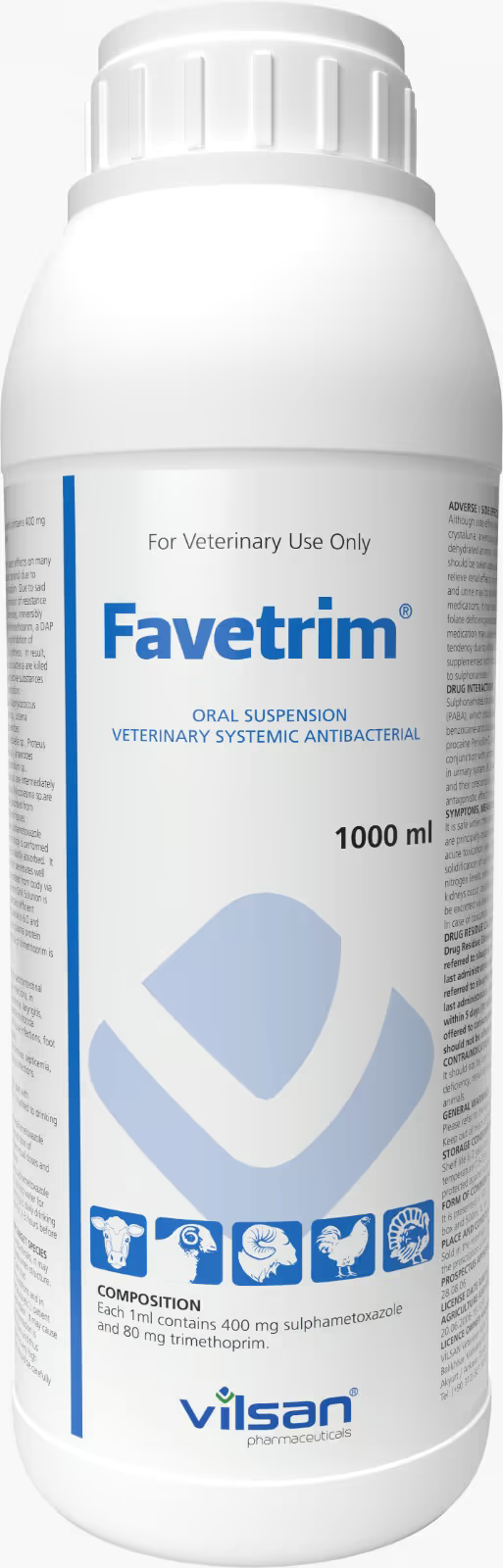
It is a white or whitish colored suspension. containing 400 mg sulfamethoxazole and 40 mg trimethoprime per ml.
PHARMACOLOGICAL PROPERTIES
Favetrim Oral Suspension is a broad-spectrum formulation effective against many Gram-positive and Gram-negative bacteria (including penicillin-resistant strains) due to the synergistic effect of the combination of sulfamethoxazole and trimethoprim. This synergistic effect broadens the antibacterial spectrum and prevents the development of resistance.
Sulfamethoxazole, a sulfonamide, irreversibly inhibits dihydrofolate reductase, an enzyme involved in dihydrofolic acid synthesis in susceptible bacteria. Trimethoprim, a DAP (Diaminopyrimidine) derivative, irreversibly inhibits the dihydrofolate reductase enzyme responsible for tetrahydrofolic acid synthesis, thereby blocking folic acid synthesis. As a result, the synthesis of bacterial nucleotides is disrupted, causing the bacterium's life functions to cease; reproduction stops and the bacterium dies. Although the active ingredients generally exhibit a bacteriostatic effect when used alone, they exhibit a bactericidal effect when used in combination.
Susceptible Bacteria: Gram-positive aerobs (Staphylococcus aureus, Streptococcus spp., Actinomyces spp., Corynobacterium spp., Listeria monocytogenes, Erysipelothrix rhuisipathie), Gram negative aerobs (Actinobacillus spp., Bordotella spp., Enterobacteriacea (E.coli., Klebsiella spp., Proteus spp., Salmonella spp., Yersinia spp.) Haemophilus spp., Pasteurella spp.), anaeroblar (Actinomyces spp., Bacteriodes spp., Fussobacterium spp., bazı Colostridium spp., Chlamydia spp.).
Some Mycobacterium spp. And some Nocardia spp. is moderately susceptible.
Riceksia spp., Leptospira spp., Pseudomonas aeruginosa, Mycoplasma spp. are resistant.
Favetrim Oral Suspension is rapidly absorbed at the site of administration and shows good distribution in body fluids and tissues. Sulfamethoxazole undergoes extensive biotransformation in the body, and the main sulfamethoxazole metabolite is excreted in the urine in acidified form. Elimination from the body occurs via urine, feces, bile, milk, sweat, and tears.
Trimethoprim is rapidly absorbed. It is transported in a plasma protein-bound and ionized state and penetrates tissues and body fluids very well. Most of it is excreted from the body in urine in an unmetabolized form.
Favetrim Oral Suspension is absorbed into the bloodstream within approximately one hour after oral administration and maintains effective blood concentration for 12 hours. In cattle, the pKa value of sulfamethoxazole is 6.0, and its plasma half-life is 140 minutes. Vd is 0.30 L/kg, and the plasma protein binding rate is 62%. Between 25-50% of sulfamethoxazole and 60% of trimethoprim are excreted in the urine within the first 24 hours.
AREA OF USE/INDICATIONS
It is used for treatment of digestive and urogenital tract infections caused by susceptible bacteria, as well as respiratory tract infections such as pneumonia, pleuropneumonia, enzootic pneumonia, soft tissue infections, interdental infections, and other wound infections, particularly those caused by Mannheimia haemolytica and Pasteurella multocida. It is also used in broiler chickens and turkeys for bacterial diarrhea, colisepticemia, air sac infections, salpingitis, cholera, coryza, and staphylococcal infections in calves, lambs, and kids.
USAGE AND DOSAGE
Favetrim Oral Suspension is administered orally or by adding to drinking water to calves, lambs and kids with underdeveloped rumens, as well as broiler chickens and turkeys.
Calve, lamb and kid:
Pharmacological dose: 5 mg/kg trimethoprim + 25 mg/kg sulfamethoxazole
Practical dose: 2 ml/10 kg body weight is administered by adding into drinking water.
The total daily dose should be divided into two and taken in the morning and evening.
Broiler chicken and turkey:
Pharmacological dose: 2.4 mg/kg trimethoprim + 12 mg/kg sulfamethoxazole
Practical dose: 3-6 ml product is administered by adding into the water for 100 kg body weight. The total daily dose is administered by adding to drinking water.
It is recommended that animals should be dehydrated for 2-3 hours before administering the medicated water. Treatment is continued for 5-7 days.
SPECIAL CLINICAL INFORMATION AND SPECIAL WARNINGS FOR TARGET SPECIES
The combination of sulfamethoxazole and trimethoprim is a broad-spectrum antibacterial agent and may have a detrimental effect on rumen activity in lambs and calves whose rumen activity has begun. Therefore, its use in these animals is not recommended. Considering that sulfonamides may cause nephrotoxic effects (crystalluria, tubular obstruction, hematuria, etc.) in cases of dehydration and in an acidic urine environment, care should be taken to ensure that animals do not become dehydrated during treatment. It may cause a decrease in water consumption in poultry.
Since the effective concentration period is around 12 hours, the daily dose should be divided into two doses.
Particular attention should be paid to dose adjustment in newborn lambs, calves, and kids, as their digestive systems have a very high absorption capacity.
ADVERSE EFFECTS
Although side effects associated with sulfonamides are quite rare, long-term repeated use can lead to crystalluria, anemia, and protrombonemia, especially in dehydrated animals. It has a toxic effect on the homeopathic system and kidneys.
Precautions should be taken against crystalluria formation in severely dehydrated animals. To mitigate the effects on the kidneys, the patient's hydration should be maintained within normal limits, and alkalization of the urine should be considered when necessary.
Long-term repeated use may cause diarrhea, nausea, vomiting, and impaired kidney function; folate deficiency may occur. It should be used with caution in newborn animals. Long-term use may lead to hepatotoxicity and hypothyroidism.
Due to its effects on the hematopoietic system, it may increase the tendency to bleed in animals; therefore, treatment should be supported with vitamin K.
It may cause allergic reactions in animals sensitive to sulfonamides.
DRUG INTERACTIONS
Sulfonamides should not be used in combination with local anesthetics such as procaine, benzocaine, and butacaine, which are structural analogues of para-aminobenzoic acid (PABA) and contain a PABA core in their structure, as they may produce an antagonistic effect with procaine Penicillin G. when administered together with ammonium chloride and urine acidifiers, they may cause crystalluria in the urinary system. B complex vitamins such as nicotinamide, folic acid, choline, and amino acids such as glutamic acid and methionine, which are precursors of these vitamins, may cause antagonistic effects with sulfonamides.
SYMPTOMS OF OVERDOSE, PRECAUTIONS AND ANTIDOTE
Use at recommended doses is safe in target species. When used at high doses, it is mainly associated with anorexia, depression, and diarrhea. In more serious cases, acute toxicity symptoms include hematuria, presence of sulfonamide crystals in urine, whitish hardening of the urethral opening, albuminuria, elevated blood urea and nitrogen levels, renal colic, anuria, and hydronephrosis. If crystallization occurs in the kidneys, bicarbonate or Ringer's lactate solution should be infused to induce alkalosis and facilitate excretion from the kidneys, and the patient should be given plenty of water to drink. Antihistamines and atropine are used to treat toxication.
WITHDRAWAL PERIODS
Meat: 14 days for calve, lamb and kid, 10 days for broiler chicken and turkey.
Milk: 5 days (10 milkings)
Egg: It should not be used in turkeys and poultry whose eggs are offered for human consumption.
CONTRAINDICATIONS
It should not be used in animals sensitive to sulfonamides, in animals with severe liver or kidney failure, in animals with hematopoietic system disorders, and in animals that are severely dehydrated.
GENERAL WARNINGS
Consult a veterinarian before use and if any unexpected reactions occur.
Keep out of reach of children and away from foodstuffs.
STORAGE CONDITIONS AND SHELF LIFE
It should be stored in the original packaging, protected from light, below 25°C, without refrigeration or freezing. Shelf life is 2 years.
COMMERCIAL PRESENTATION FORM
1 L white HDPE plastic bottles without boxes.
PLACE OF SALE AND CONDITIONS
It is sold in pharmacies, veterinary surgeries, polyclinics and animal hospitals with a veterinarian's prescription. (VSP)
APPROVAL DATE OF LEAFET: 28.08.2006
MARKETING AUTHORIZATION DATE AND NO: 20.06.2006 – 016/0030
MARKETING AUTHORIZATION HOLDER
VİLSAN Veteriner İlaçları Tic. ve San. A.Ş.
Balıkhisar Mah. Balıkhisar Köy İçi Küme Evleri No:765A Akyurt/Ankara -Türkiye
MANUFACTURER COMPANY
VİLSAN Veteriner İlaçları Tic. ve San. A.Ş.
Balıkhisar Mah. Balıkhisar Köy İçi Küme Evleri No:765A Akyurt/Ankara -Türkiye
Made in Turkiye